
Modern construction relies on thousands of individual components working together to create structures that are safe, durable, and built to last. While major materials such as steel, timber, concrete, and insulation often receive the greatest attention during project planning, the smaller components that connect these materials are equally important. Every joint, bracket, panel, and structural element depends on reliable connections to maintain stability throughout the life of a building.
Choosing suitable fixing products is therefore a key part of every construction project. Whether the work involves commercial developments, industrial buildings, residential homes, or refurbishment projects, selecting products designed for the intended application helps improve installation efficiency while supporting long-term structural performance.
Why Fixing Selection Matters
Every building contains hundreds or even thousands of fixing points. Each one contributes to the overall strength of the finished structure and must be capable of performing under the expected loads and environmental conditions.
Selecting unsuitable products can lead to problems such as:
- Loose connections
- Premature corrosion
- Structural movement
- Increased maintenance costs
- Reduced service life
- Costly repairs
Although fixings often represent only a small percentage of the total construction budget, their influence on long-term building performance is considerable.
Careful product selection during the planning stage helps minimise future issues while improving safety and reliability.
Understanding Modern Construction Fixings
Construction projects use a wide range of connection systems depending on the materials involved and the specific application.
Common products include:
- Screws
- Bolts
- Anchors
- Rivets
- Brackets
- Expansion fixings
- Masonry anchors
Each product is designed to meet particular structural and environmental requirements.
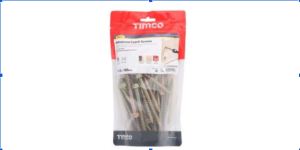
Fasteners and fixings are manufactured in various materials, sizes, and finishes to accommodate different construction methods. Choosing the correct product involves evaluating factors such as load capacity, substrate compatibility, corrosion resistance, and installation requirements.
Matching the fixing to the application helps ensure reliable performance throughout the lifespan of the building.
Improving Installation Efficiency
Construction schedules continue to become more demanding, making installation speed an increasingly important consideration.
Many modern fixing systems are designed to simplify installation while maintaining high levels of structural performance. Products that reduce installation time can improve labour productivity and help projects remain on schedule without compromising quality.
Efficient fixing solutions also reduce the number of tools required on site, helping contractors work more effectively across a wide range of building applications.
Selecting Products for Metal Construction
Metal framing systems, roofing structures, cladding installations, and industrial buildings all require specialised fixing products capable of creating secure mechanical connections.
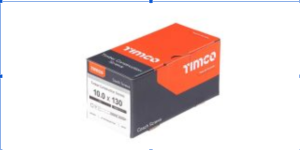
Self drilling screws have become widely used because they incorporate a drill-point tip that enables them to penetrate many metal sections without requiring a separate pilot hole. This allows drilling and fastening to be completed in a single operation, reducing installation time while improving overall efficiency.
Their design makes them particularly suitable for light-gauge steel framing, roofing systems, metal cladding, HVAC installations, and other applications where speed and accuracy are essential.
Choosing the Correct Specification
Not all construction fixings are suitable for every application. Product selection should always consider the demands placed on the connection throughout the building’s service life.
Important factors include:
- Material thickness
- Structural loading
- Environmental exposure
- Corrosion protection
- Thread design
- Head configuration
- Installation method
Carefully evaluating these characteristics helps ensure fixings provide dependable performance while reducing the likelihood of premature failure.
Following manufacturer guidance also assists installers in achieving consistent and reliable results across the entire project.
Corrosion Resistance and Long-Term Durability
Environmental conditions play a significant role in determining the lifespan of construction fixings.
External structures, coastal locations, industrial environments, and buildings exposed to high humidity require products with appropriate corrosion protection. Protective coatings and specialist materials help preserve structural integrity while reducing the need for future maintenance.
Selecting products designed for the intended environment provides greater confidence that the completed structure will continue performing effectively for many years.
Routine inspections and maintenance can further extend service life by identifying early signs of wear before more significant problems develop.
The Value of Quality Construction Products
While fixing products often represent a relatively small proportion of the total project cost, they have a substantial impact on overall construction quality.
Reliable fixing systems contribute to:
- Improved structural stability
- Greater installation consistency
- Reduced maintenance requirements
- Better long-term performance
- Increased durability
- Enhanced project reliability
Investing in quality components from reputable manufacturers often delivers significant long-term value by reducing repair costs and improving building performance.
Later in the construction process, many contractors continue specifying fasteners and fixings that are manufactured for demanding building applications because they provide dependable performance and consistent installation quality. Likewise, self drilling screws remain a preferred solution for creating secure metal-to-metal and metal-to-frame connections while improving productivity on site.
Conclusion
Reliable construction depends on more than high-quality structural materials alone. Careful selection of suitable fixing products, combined with proper installation practices, helps create stronger, safer, and more durable buildings. By considering performance requirements, environmental conditions, and long-term reliability during specification, construction professionals can achieve efficient installations and lasting structural performance across a wide variety of projects. Insulation Point Limited supplies a comprehensive range of quality construction products and fixings, helping builders, contractors, and homeowners source dependable solutions for projects of every size.